How is elastography imaging currently enhancing the accuracy and efficiency of liver disease diagnosis?
If you’re involved in liver care—whether as a clinician, administrator, or tech innovator—you know the stakes. Diagnosing liver diseases early and accurately can make the difference between life-altering outcomes and effective, timely interventions. But let’s be honest: traditional diagnostic methods haven't always been the most precise or patient-friendly.
That’s where things are changing in 2025. And trust me, the shift is exciting.
Let me walk you through how elastography imaging is leading this transformation—making liver disease diagnosis faster, more accurate, and more sustainable than ever.
Why Elastography Imaging is the Talk of 2025
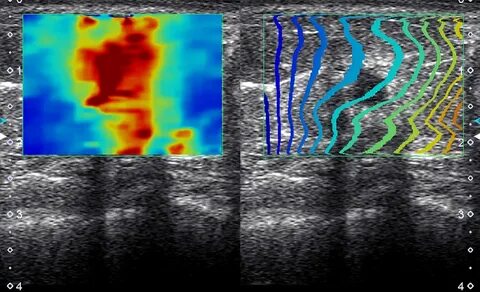
If you're not already using elastography imaging in your liver diagnostics, you're probably considering it. This non-invasive technique measures liver stiffness—a key indicator of fibrosis and cirrhosis. Instead of relying on painful biopsies, we’re now seeing clear, quantifiable results through real-time imaging.
And in 2025, it's more than just another tech trend—it’s becoming a diagnostic standard. From reducing procedure risks to cutting diagnostic time in half, elastography is raising the bar on care quality and operational efficiency.
Enhancing Accuracy in Liver Disease Detection
You and I both know that liver disease can hide in plain sight. It’s often silent in the early stages. The beauty of elastography lies in its ability to detect subtle changes in liver tissue, even before symptoms surface.
The imaging delivers quantitative data in seconds. That means faster diagnoses, fewer false negatives, and more confident decision-making—all without making your patient uncomfortable.
Here’s how it's helping:
Identifies fibrosis stages without a biopsy
Reduces the need for repeat testing
Provides immediate visual and numerical results
Improves accuracy over traditional ultrasound or CT
That’s a game-changer for specialists and general practitioners alike.
Clinical Applications That Are Reshaping Patient Pathways
Now let’s talk clinical applications. Elastography isn’t just living in the research lab anymore. It’s becoming a practical, front-line tool in outpatient clinics, tertiary hospitals, and even remote care settings.
You’ll find it playing a central role in:
Chronic liver disease monitoring
Hepatitis B and C assessments
NAFLD (Non-Alcoholic Fatty Liver Disease) evaluations
Post-treatment fibrosis tracking
By integrating elastography into routine scans, we’re building a smoother, more predictive patient journey—one that improves both outcomes and satisfaction.
AI Meets Elastography: Smarter Diagnostics Are Here
One of the coolest things I’ve seen this year? The integration of AI into elastography platforms. And it’s not just about flashy algorithms—it’s practical, smart medicine.
AI can now analyze elastography imaging data in real time, highlight anomalies, and even suggest risk categories based on liver stiffness profiles. That means you spend less time interpreting data—and more time planning care.
And here’s what makes it even better:
AI enables predictive modeling for liver disease progression
Improves inter-operator consistency
Automates reporting and compliance workflows
Reduces diagnostic errors in high-volume clinics
If you’ve been wondering how AI fits into liver care, elastography might be the perfect starting point.
Sustainability and Efficiency for Hospitals and Imaging Centers
Sustainability matters—not just environmentally, but operationally too. Hospitals today are under pressure to improve outcomes while cutting costs. And I get it. Elastography offers exactly that.
Here’s how it boosts operational efficiency:
Cuts down on unnecessary biopsies and lab work
Streamlines workflow with portable systems
Reduces follow-up appointments for inconclusive results
Helps triage patients faster in high-load departments
You're not just diagnosing better—you're running leaner, smarter, and greener.
Regulatory Changes and Standardization in 2025
Let’s not forget about compliance. As elastography becomes more mainstream, regulatory bodies are jumping in with updated standards. That’s actually good news for us.
Global guidelines are now starting to:
Recommend elastography as a first-line assessment tool
Encourage integration with digital health records
Recognize elastography results in clinical trials and reimbursement policies
This wider acceptance is opening doors for adoption across public and private health sectors. So, if you’re planning your imaging equipment upgrades this year, elastography should be on your radar.
Key Benefits of Elastography Imaging at a Glance
Let me break it down for you. Here’s a quick list of the core advantages of adding elastography to your diagnostic toolkit:
Non-invasive and pain-free for patients
Delivers real-time, quantifiable results
Reduces dependency on liver biopsies
Improves early-stage detection accuracy
Cuts costs and enhances workflow efficiency
Aligns with emerging global clinical guidelines
Supports AI and telemedicine integration
Whether you're on the clinical or business side, there’s a benefit here for everyone.
Comparison Table: Elastography vs Traditional Liver Diagnosis
| Feature | Elastography Imaging | Traditional Biopsy/CT/US |
|---|---|---|
| Invasiveness | Non-invasive | Invasive (biopsy) |
| Time to Results | Real-time | 24–72 hours |
| Accuracy for Fibrosis Staging | High | Moderate to High |
| Patient Comfort | Very High | Low to Moderate |
| Cost Efficiency | More cost-effective long term | Higher recurring costs |
| AI Integration | Yes | Limited |
| Regulatory Recognition | Growing adoption | Established but slower evolving |
Final Thoughts: Is Elastography the Future of Liver Diagnostics?
Absolutely. If you're a healthcare professional, hospital administrator, or imaging tech buyer in 2025, elastography imaging should be on your radar. It’s fast, precise, and scalable for tomorrow’s liver disease care landscape.
From enhancing diagnostic accuracy to supporting AI-driven workflows, this innovation is driving a quiet revolution in liver diagnostics—and I’m excited to see where it leads.
So, whether you're planning your next tech investment or updating your care protocols, remember this: elastography isn’t just new—it’s necessary.
Expand Your Knowledge with More Industry Research Reports:
North America Microarray Market
Laboratory Information Systems Market
Injectable Drug Delivery Devices Market
Comments
Post a Comment